Physics experiments & simulations
Every experiment runs in your browser, with theory, things to observe and suggestions. Pick a field or open one directly.
Mechanics 16
 Mechanics
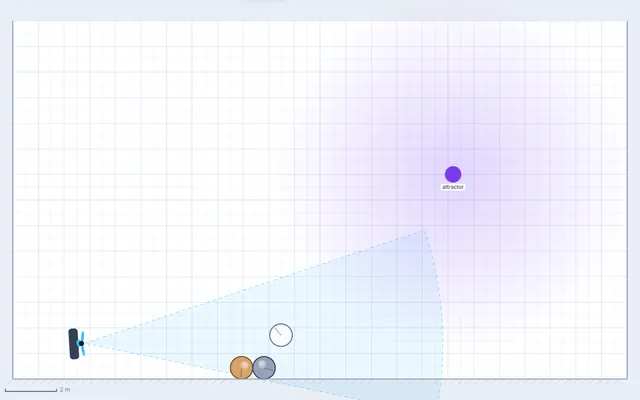
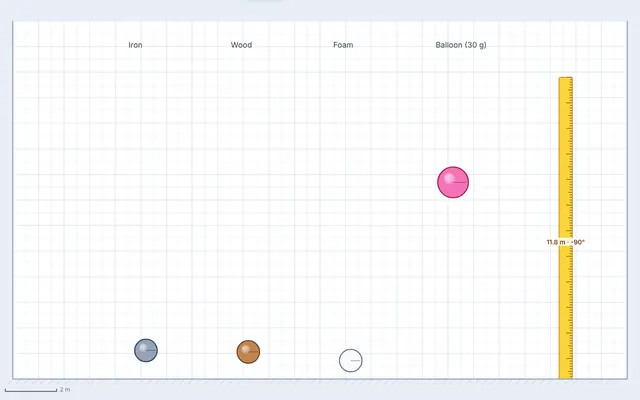
Free Fall and Air Resistance (Terminal Velocity)
Galileo was right — but air changes everything.
 Mechanics
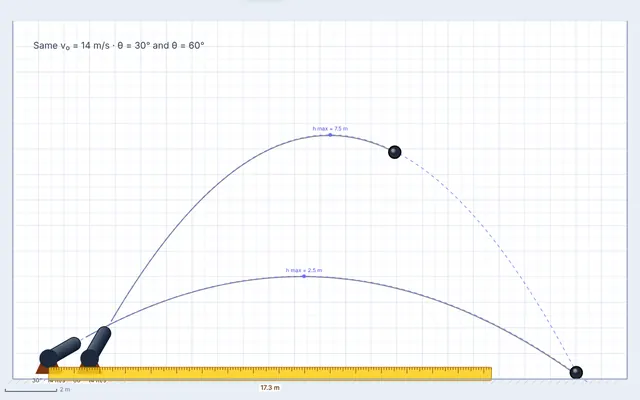
Projectile Motion: Complementary Launch Angles
30° and 60°: same range.
 Mechanics
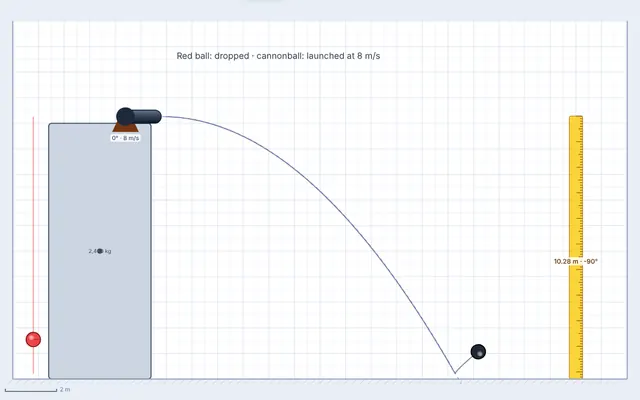
Horizontal Launch vs. Free Fall
Launched or dropped: both hit the floor together.
 Mechanics
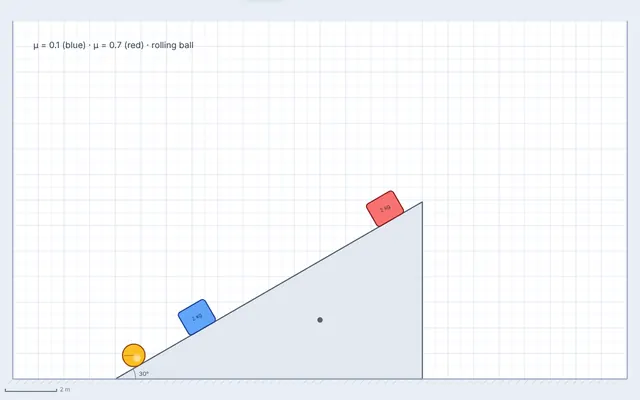
Inclined Plane: Friction and Rolling
Who slides, who sticks and who rolls.
 Mechanics
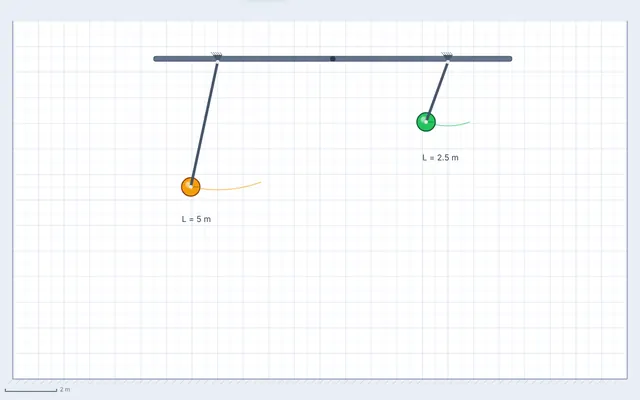
Simple Pendulum: Period vs. Length
The period depends only on the length.
 Mechanics
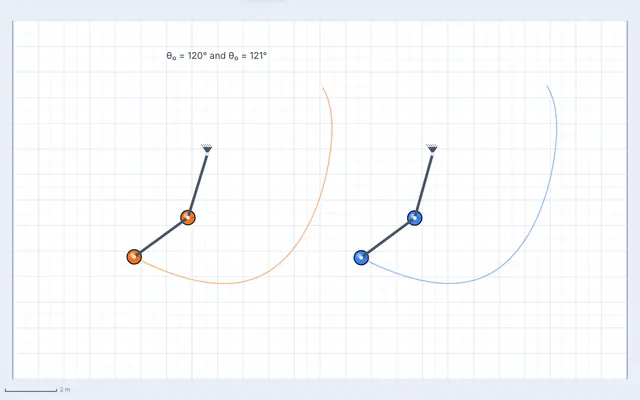
Double Pendulum: Deterministic Chaos
Two almost identical starts, completely different futures.
 Mechanics
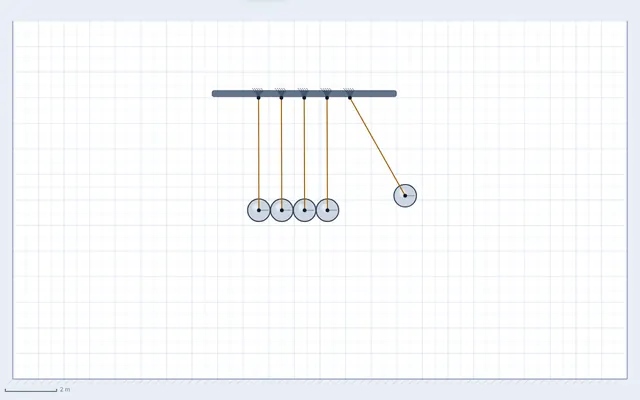
Newton’s Cradle
Momentum and energy conservation in a chain.
 Mechanics
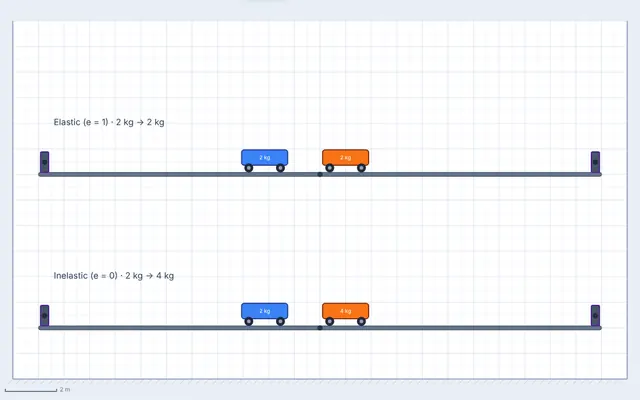
Elastic and Inelastic Collisions
Momentum is always conserved; kinetic energy, not always.
 Mechanics
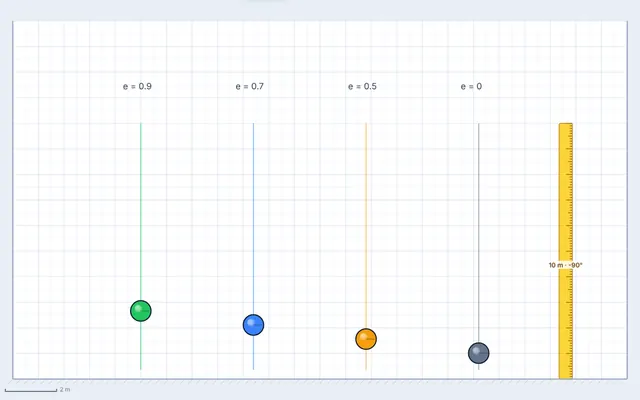
Bouncing Balls: Coefficient of Restitution
Each bounce keeps a fraction e² of the height.
 Mechanics
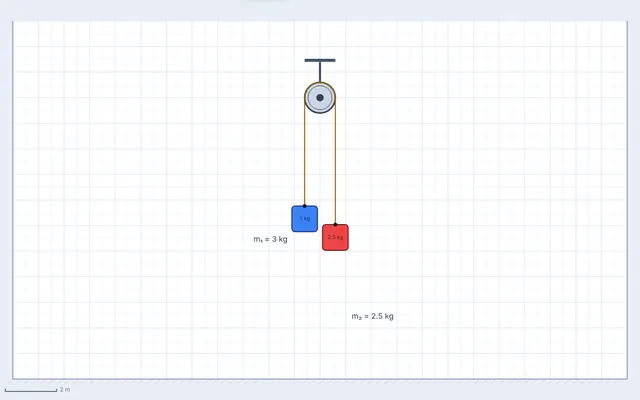
Atwood Machine
Two masses, one pulley, Newton’s second law.
 Mechanics
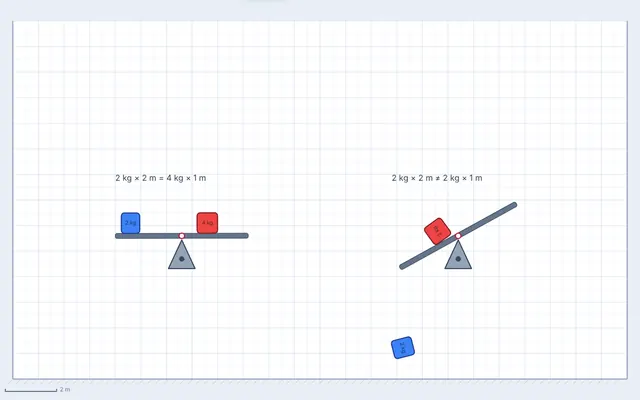
Lever and Torque: Rotational Equilibrium
Double the mass at half the distance.
 Mechanics
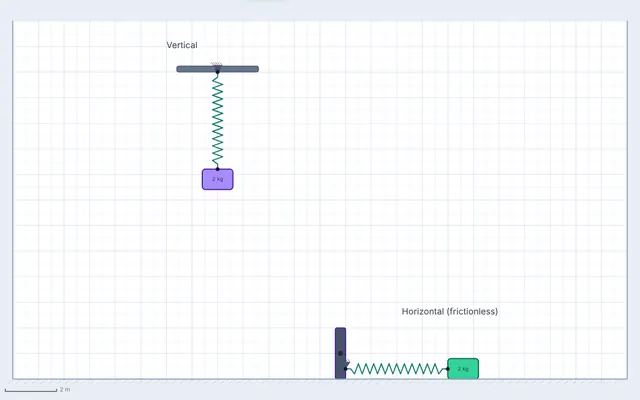
Mass–Spring Oscillator (Simple Harmonic Motion)
Hooke’s law and simple harmonic motion.
 Mechanics
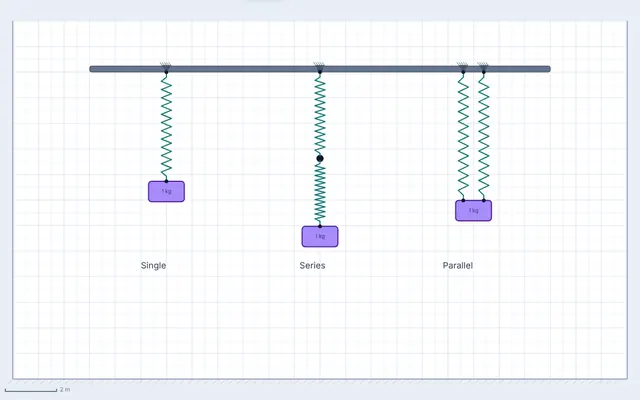
Springs in Series and in Parallel
Equivalent spring constant and period.
 Mechanics
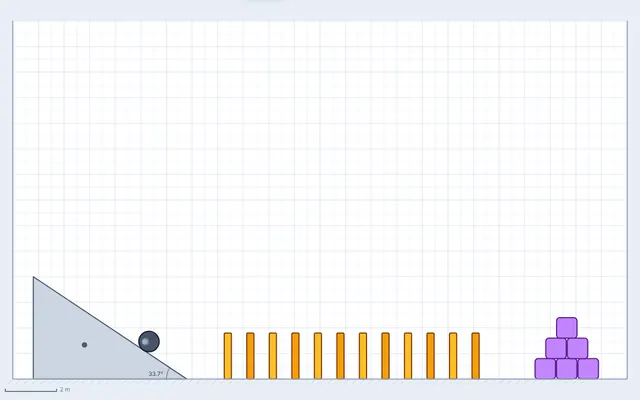
Domino Chain Reaction
Ramp, energy and a chain reaction.
 Mechanics
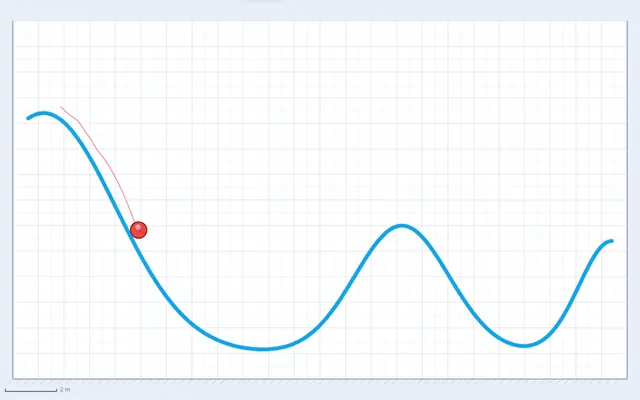
Roller Coaster: Conservation of Mechanical Energy
Energy conservation on a track drawn with the pen.
 Mechanics
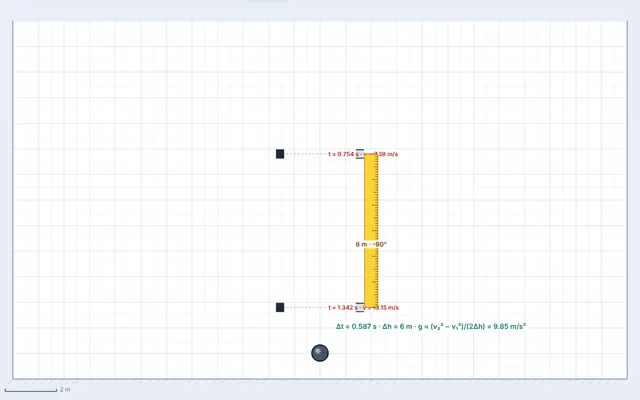
Measuring g with two photogates
A classic lab bench experiment.
Waves & Sound 9
 Waves & Sound
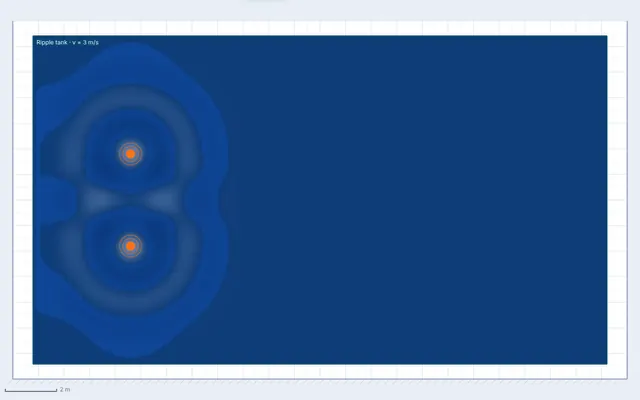
Two-Source Interference in a Ripple Tank
Bright fringes of reinforcement and calm nodal lines.
 Waves & Sound
Young’s Double-Slit Experiment
Plane waves through two slits.
 Waves & Sound
Diffraction Grating: Many Slits, Sharper Maxima
Five slits concentrate the light into narrow orders.
 Waves & Sound
Single-Slit Diffraction
The wave “bends” as it passes the opening.
 Waves & Sound
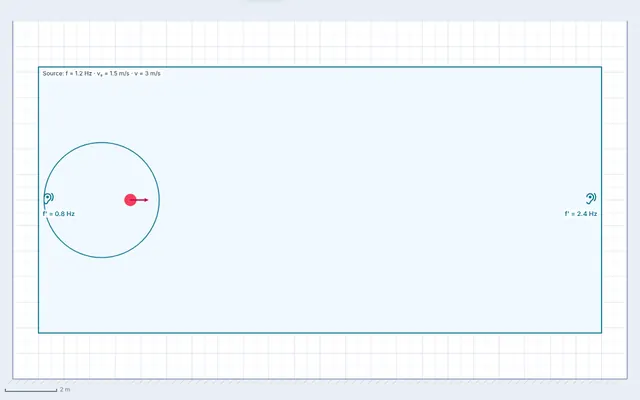
Doppler Effect
The siren that changes pitch.
 Waves & Sound
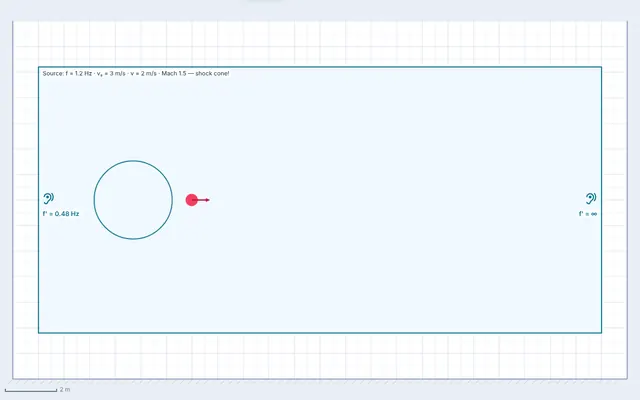
Shock Wave and Mach Cone (Sonic Boom)
Faster than its own waves.
 Waves & Sound
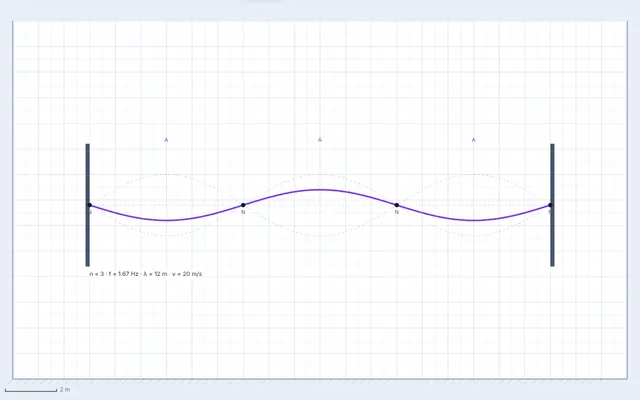
Standing Waves on a String
Harmonics, nodes and antinodes.
 Waves & Sound
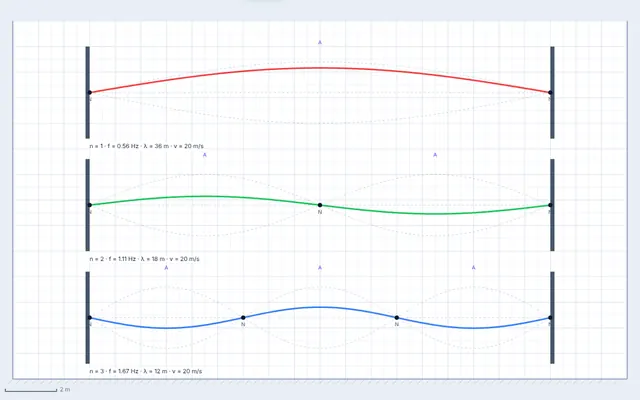
Harmonic Series of a Vibrating String
Fundamental, 2nd and 3rd harmonics side by side.
 Waves & Sound
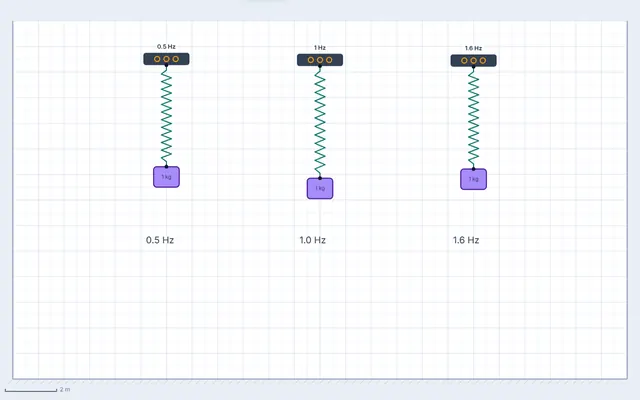
Resonance of a mass–spring oscillator
Same system, three driving frequencies.
Electromagnetism 8
 Electromagnetism
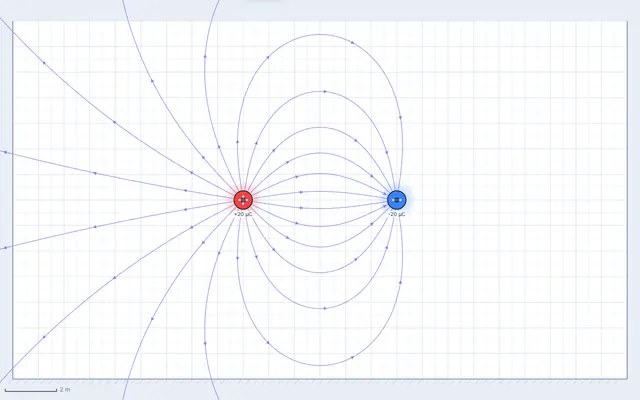
Electric Dipole: Field Lines and Equipotentials
Field lines and electric potential.
 Electromagnetism
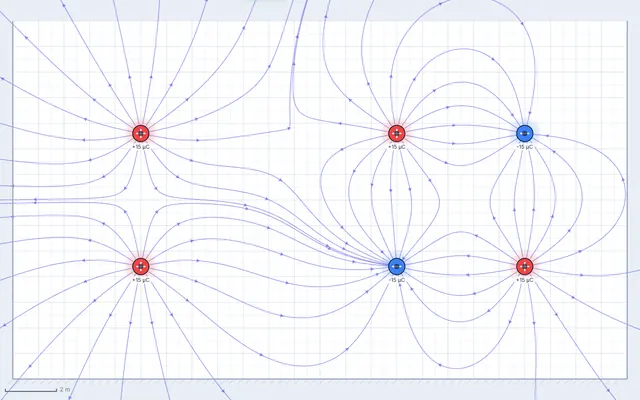
Like Charges and the Electric Quadrupole
Neutral points where the field vanishes.
 Electromagnetism
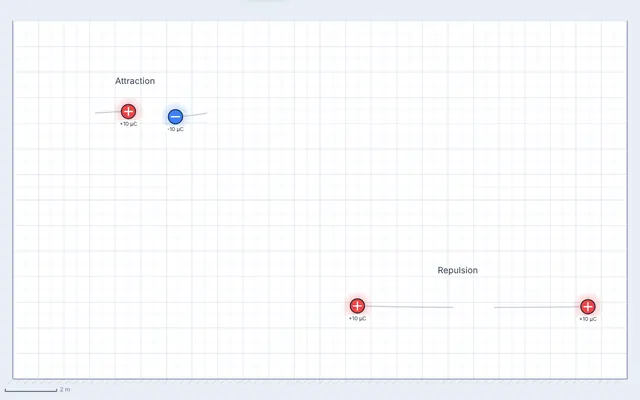
Coulomb’s Law
Opposites attract, likes repel.
 Electromagnetism
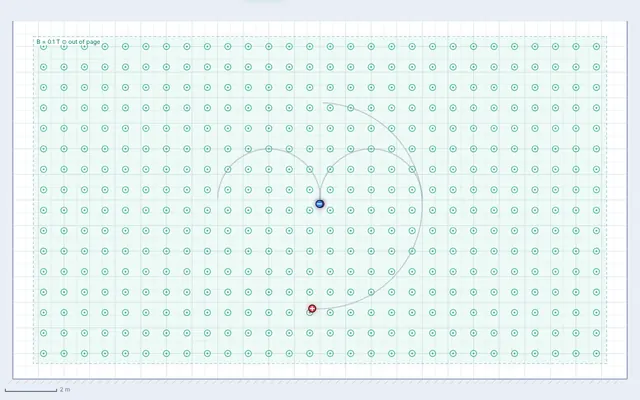
Charged Particles in a Magnetic Field (Lorentz Force)
Lorentz force and circular motion.
 Electromagnetism
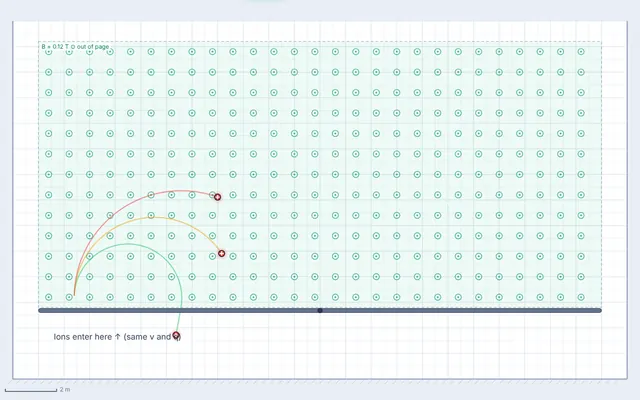
Mass Spectrometer: Separating Isotopes
Same speed and charge, different masses, different radii.
 Electromagnetism
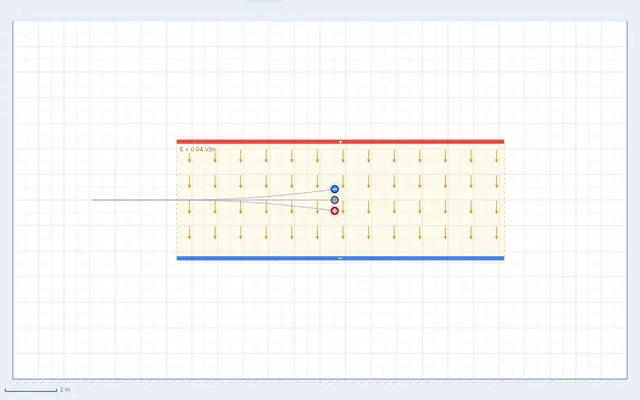
Charge Deflection Between Capacitor Plates
Uniform field: parabolic path.
 Electromagnetism
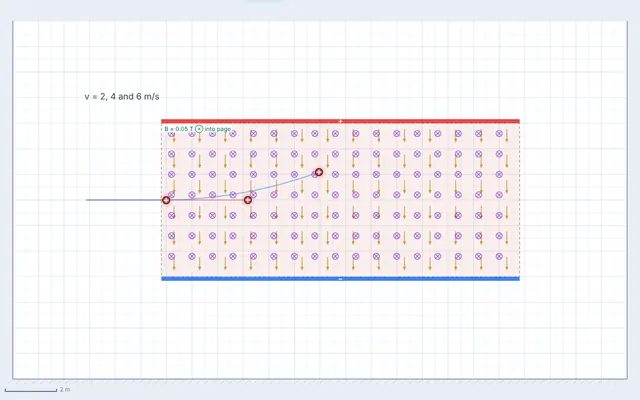
Velocity Selector (Crossed E and B Fields)
Crossed fields let only one speed through.
 Electromagnetism
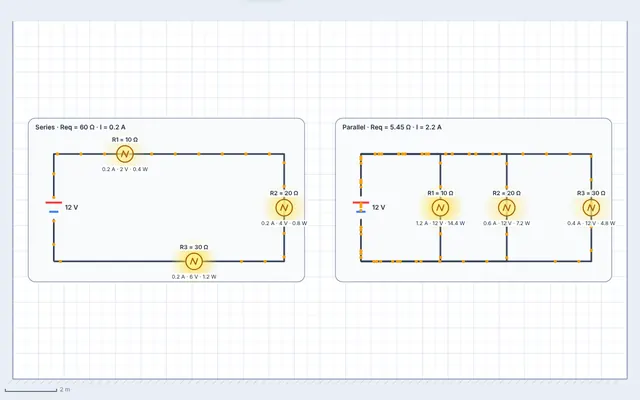
Ohm’s law: series and parallel circuits
Same lamps, different brightness.
Optics 8
 Optics
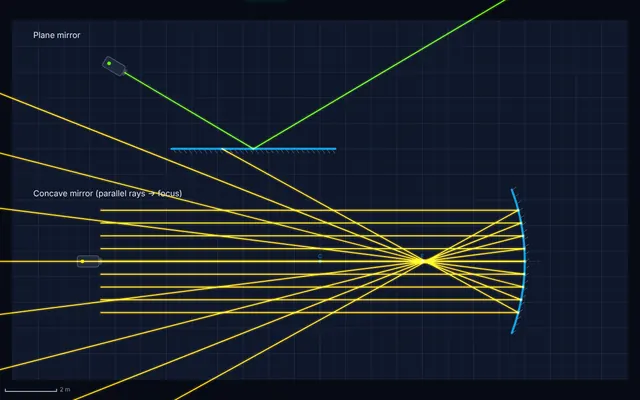
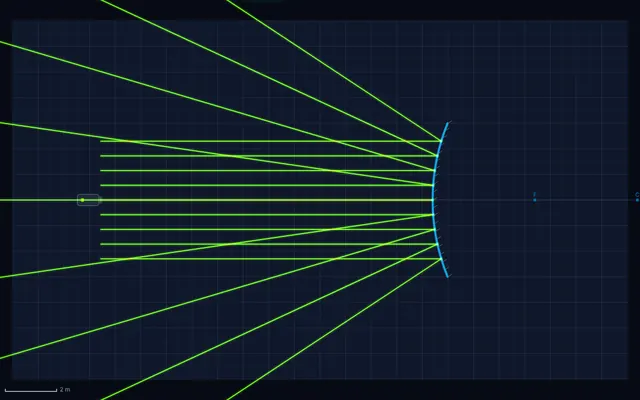
Law of Reflection: Plane and Concave Mirrors
Angle in = angle out, and the focus of a concave mirror.
 Optics
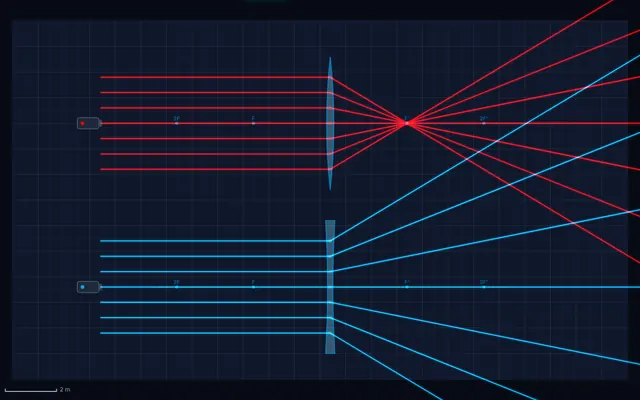
Convex Mirror: Virtual Focus and Wide Field of View
Why car side mirrors “show objects closer than they appear”.
 Optics
Converging and Diverging Lenses
Parallel rays, real focus and virtual focus.
 Optics
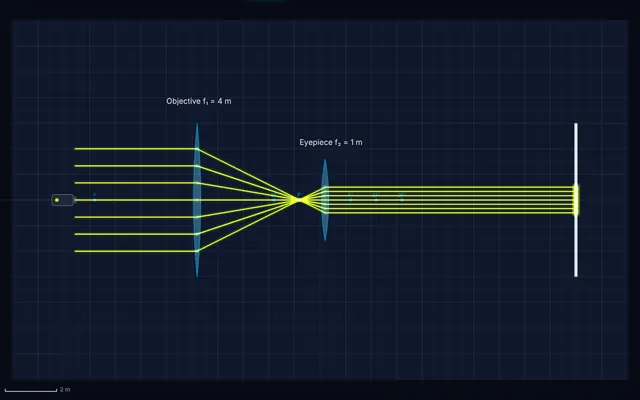
Keplerian Telescope: Angular Magnification
Two converging lenses separated by f₁ + f₂.
 Optics
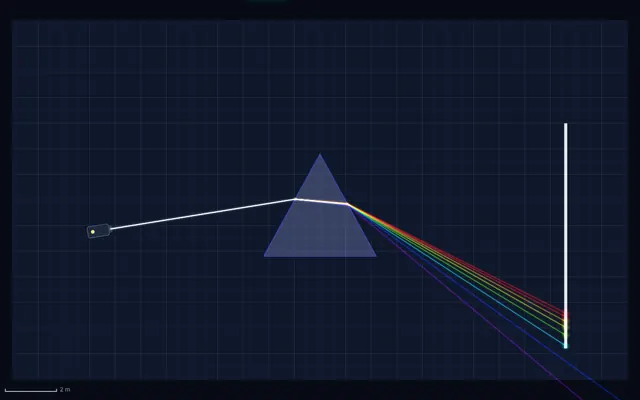
Dispersion of White Light by a Prism
White light becomes a rainbow (Newton).
 Optics
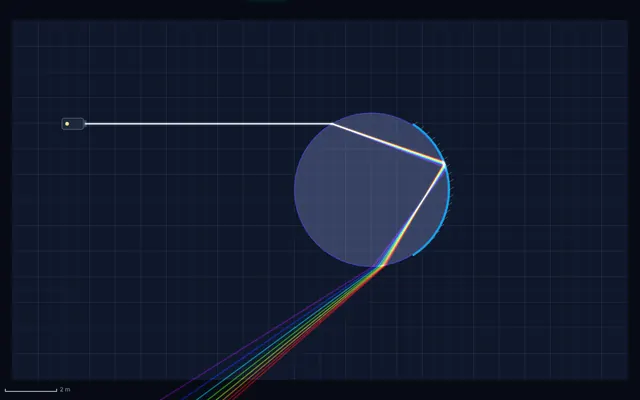
Rainbow in a Water Droplet
Refraction, internal reflection and dispersion.
 Optics
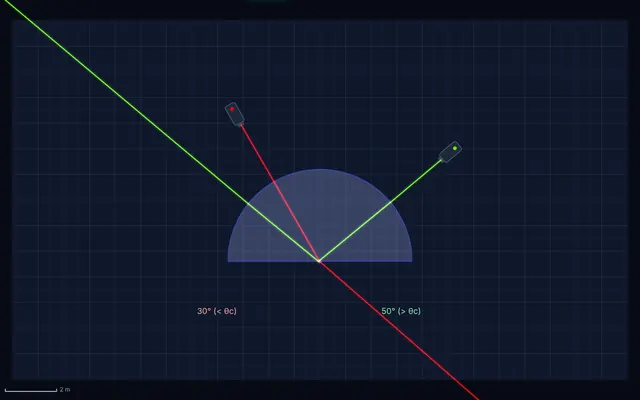
Snell’s Law and Total Internal Reflection
The critical angle in a glass half-cylinder.
 Optics
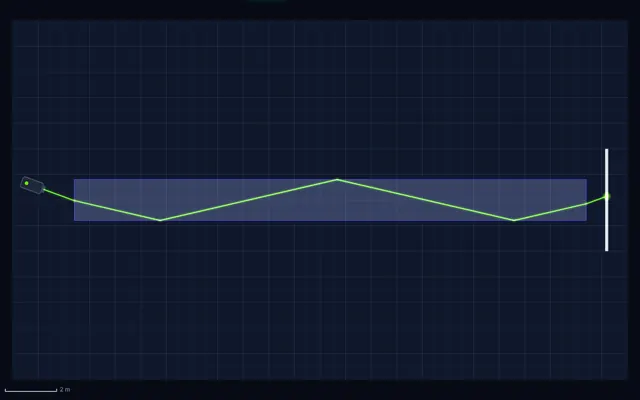
Optical Fibre: Light Guided by Total Internal Reflection
How the internet travels under the oceans.
Thermodynamics 5
 Thermodynamics
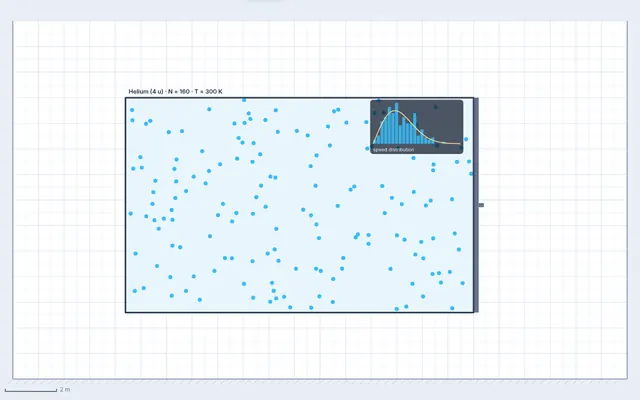
Ideal Gas and Kinetic Theory
Pressure as molecules hitting the walls.
 Thermodynamics
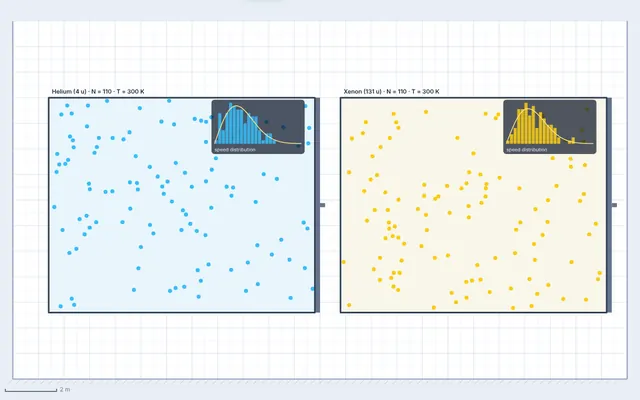
Molecular Speeds: Helium vs. Xenon (Maxwell–Boltzmann)
Same temperature, very different speeds.
 Thermodynamics
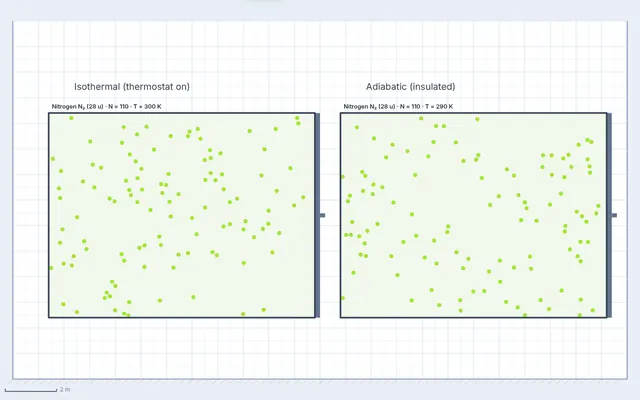
Isothermal vs. Adiabatic Compression
Compress two gases: only one heats up.
 Thermodynamics
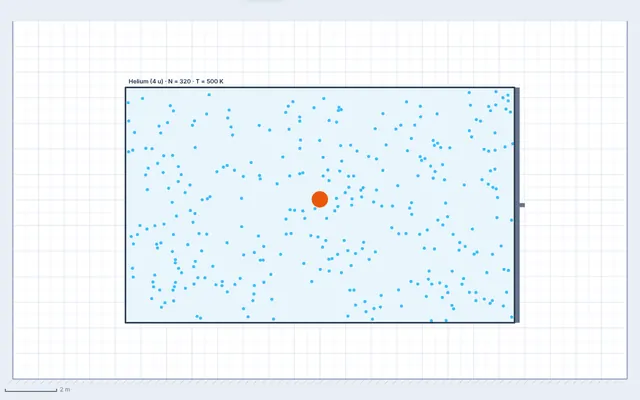
Brownian Motion and Random Walks
Visual proof that molecules exist.
 Thermodynamics
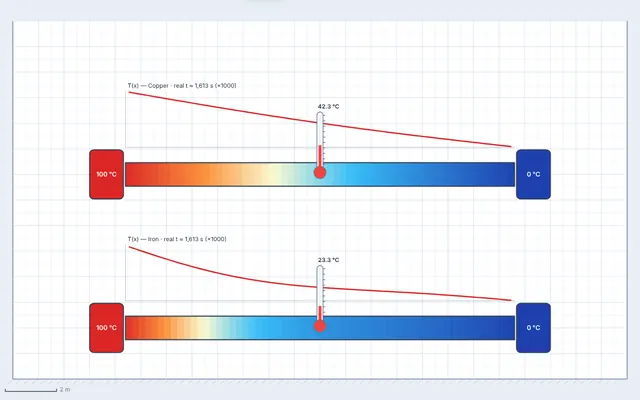
Heat Conduction: Copper vs. Iron (Fourier’s Law)
Which metal conducts heat better?
Fluids 5
 Fluids
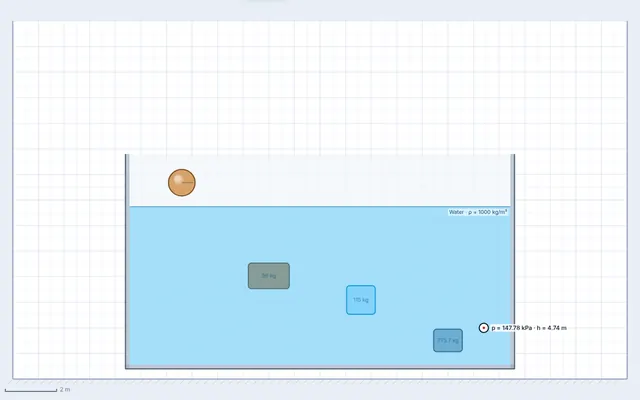
Buoyancy: Archimedes’ Principle
Sink or float? It depends on density.
 Fluids
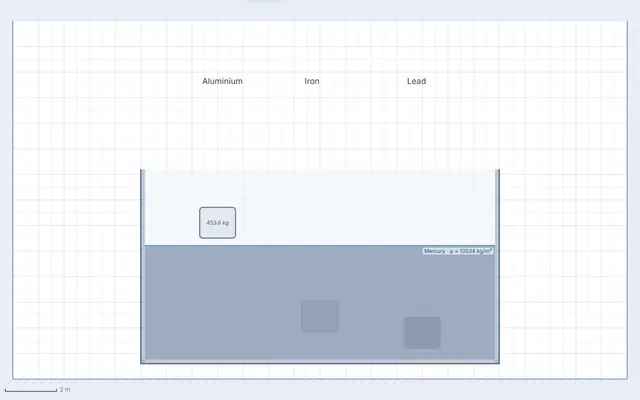
Metals Floating on Mercury
Iron and lead float; it is all about density.
 Fluids
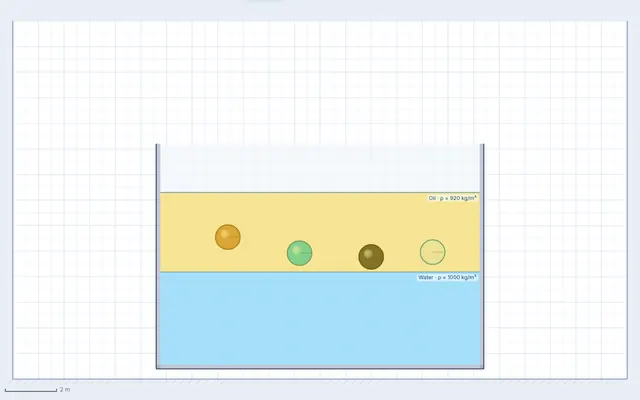
Immiscible Liquids: Oil and Water Layers
Objects that stop at the interface.
 Fluids
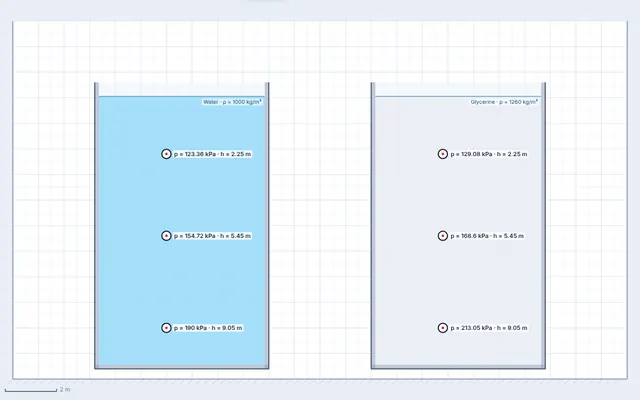
Hydrostatic Pressure vs. Depth (Stevin’s Law)
Pressure grows with depth.
 Fluids
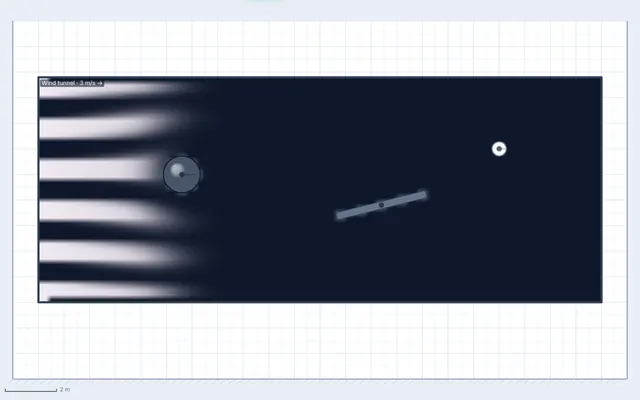
Wind Tunnel: Flow Around Obstacles and Vortex Shedding
Airflow around a cylinder and a wing-like plate.
Gravitation 4
 Gravitation
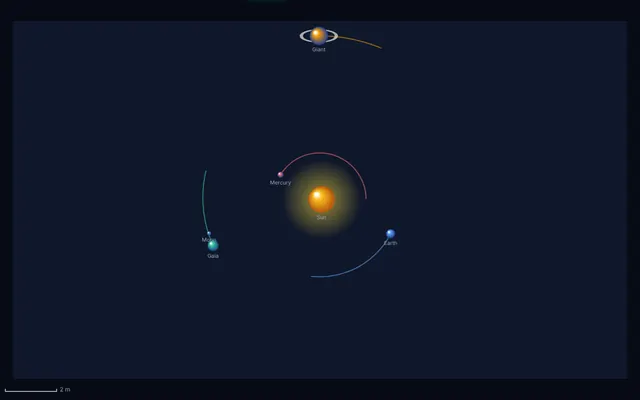
Planetary Orbits and Kepler’s Third Law
Orbits, periods and a moon.
 Gravitation
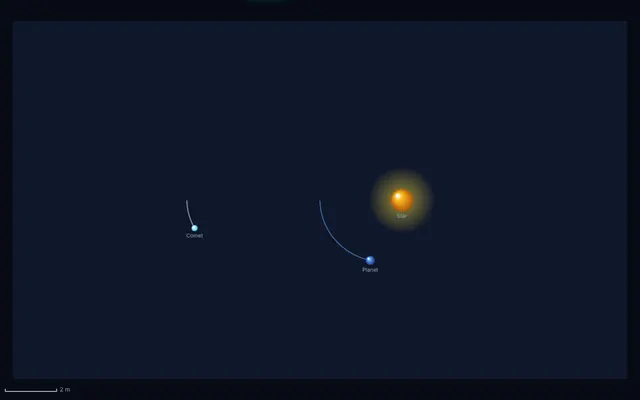
Elliptical Orbits: Kepler’s First and Second Laws
Faster near the star, slower far away.
 Gravitation
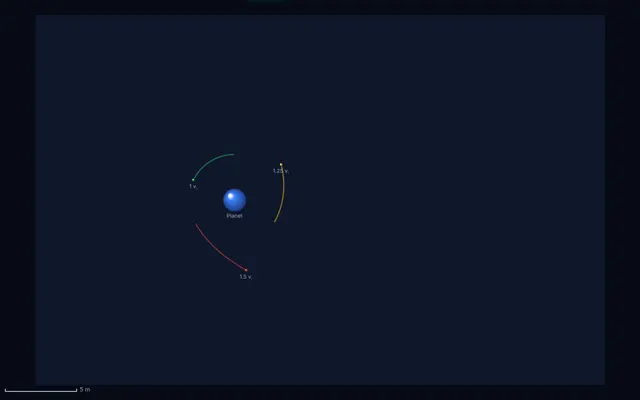
Orbital Speed and Escape Velocity
Circle, ellipse or escape — it depends on launch speed.
 Gravitation
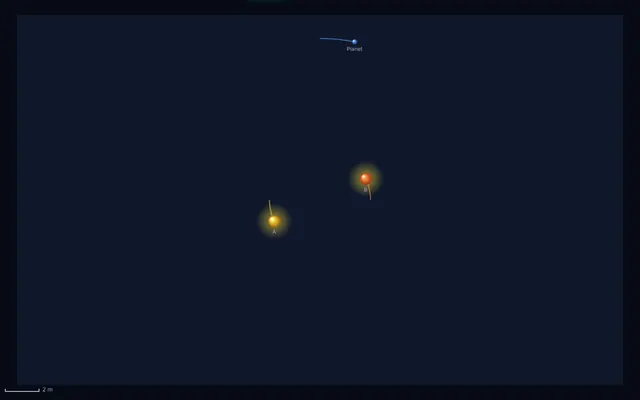
Binary Star System and the Centre of Mass
Two stars dancing around their centre of mass.
Modern Physics 5
 Modern Physics
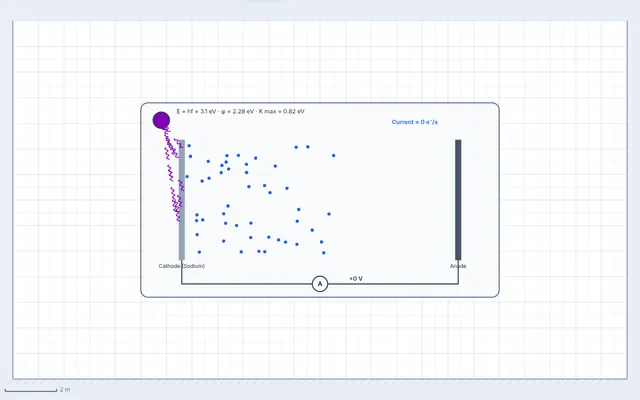
Photoelectric Effect
Einstein and light made of photons.
 Modern Physics
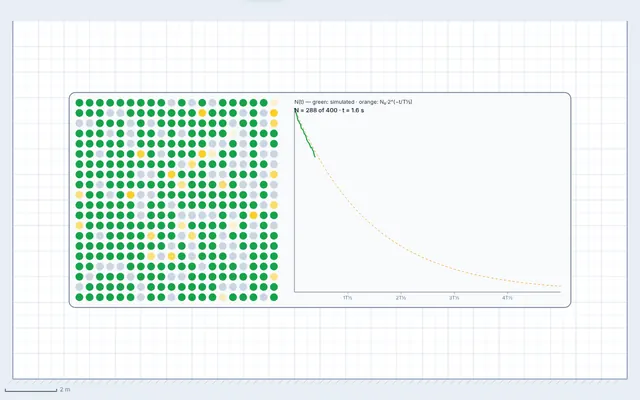
Radioactive Decay and Half-Life
Randomness that produces a law.
 Modern Physics
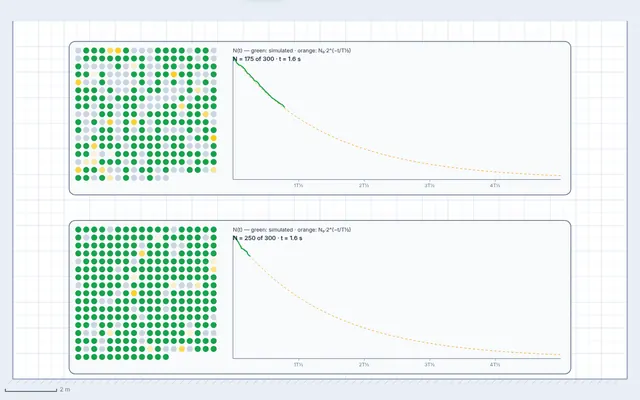
Comparing Half-Lives of Two Isotopes
Short half-life: intense but brief activity.
 Modern Physics
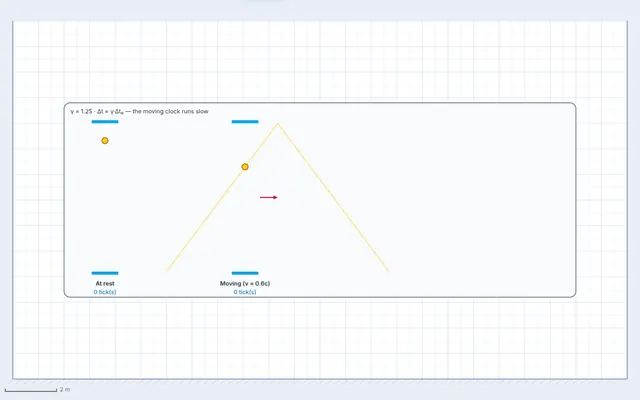
Time Dilation: The Light Clock (Special Relativity)
Moving clocks run slow.
 Modern Physics
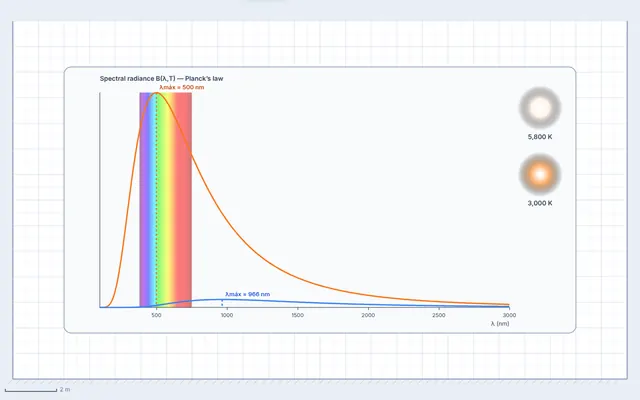
Blackbody radiation and Wien’s law
Why hot stars are blue and cool stars are red.